

Diagnosis & Testing

A diagnosis changes everything.

We offer comprehensive fertility testing guided by decades of experience. Get the answers you need to move forward with confidence.

Diagnosis & Testing

A diagnosis changes everything.
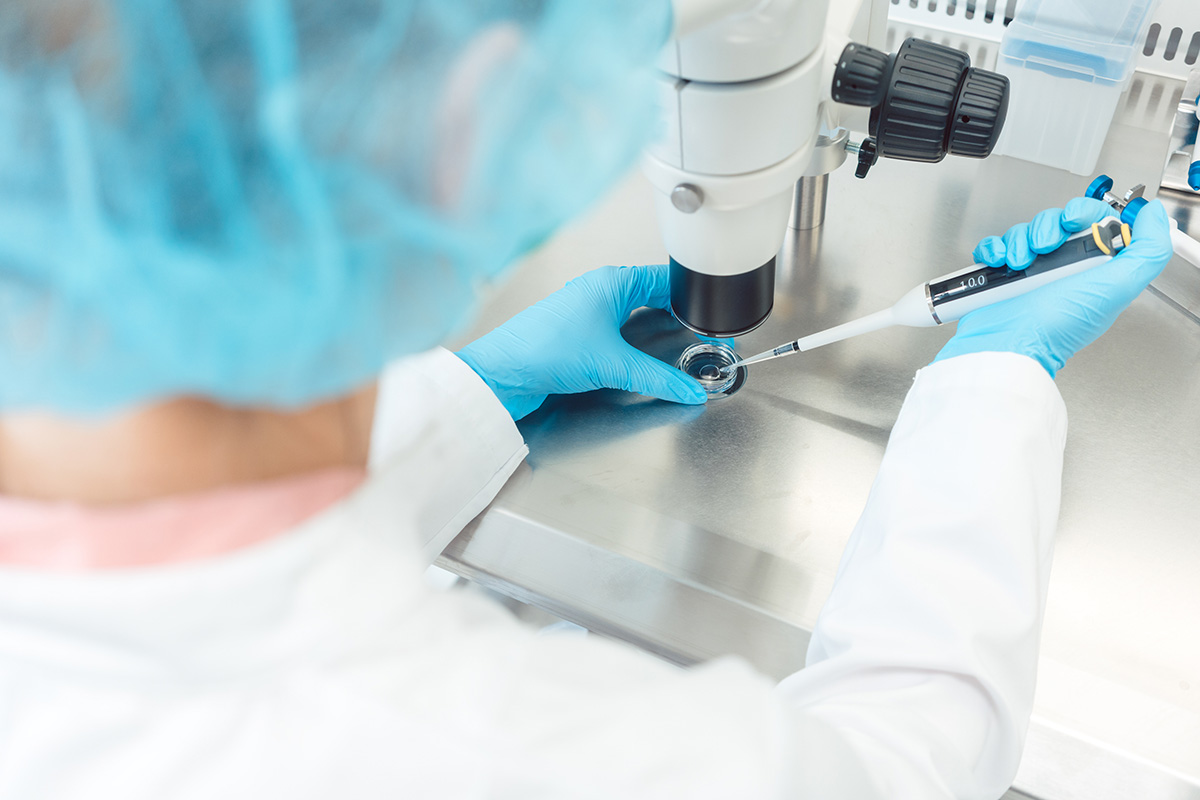
We offer comprehensive fertility testing guided by decades of experience. Get the answers you need to move forward with confidence.

Clarity Awaits

No two fertility journeys look alike. Whether you’re dealing with irregular cycles, a diagnosis like endometriosis, or simply don’t know where to begin, Dr. Gordon and the Rejoice Fertility team will guide you through the appropriate diagnostic testing and translate those results into a clear, personalized treatment plan that makes sense for your life and your goals.

Expert, Caring Hands

Navigating a fertility diagnosis can feel uncertain but choosing Rejoice Fertility means you’ve already made a big step in your journey. Dr. John Gordon has been practicing Reproductive Endocrinology and Infertility since 1997, bringing decades of clinical experience and genuine compassion to every patient he sees.

Frequently Asked Questions

Approximately 15% of couples are unable to achieve pregnancy after one year of regular, unprotected intercourse. After two years, approximately 10% of couples continue to experience difficulties conceiving.

Female infertility can result from a variety of factors that affect ovulation, fertilization, or implantation. Common causes include ovulation disorders, blocked or damaged fallopian tubes, uterine abnormalities, endometriosis, hormonal imbalances, and age related decline in egg quality. For pregnancy to occur, a woman must ovulate, have open fallopian tubes for the egg and sperm to meet, and have a healthy uterus capable of supporting implantation and pregnancy. Lifestyle factors, medical conditions, and irregular menstrual cycles can also impact fertility.

In addition to a health history and physical exam, we routinely order blood tests to check for conditions that may impact your fertility. Common blood tests include:

  • TSH to evaluate for thyroid disorders
  • Prolactin to rule out inappropriate production of the hormone responsible for supporting lactation
  • Anti-Müllerian hormone (AMH) level to evaluate ovarian reserve (your remaining egg supply).
  • Follicle-stimulating hormone and estradiol levels in the first few days of the menstrual cycle to evaluate ovarian function.
  • Progesterone level late in the second half of your menstrual cycle to tell if ovulation has occurred and if your ovaries are producing a normal amount of this hormone.

Because some of these tests must be done at specific times in the menstrual cycle and repeated for accuracy, this part of your evaluation may take several weeks. Other tests may be done to examine your Fallopian tubes and determine if a blockage is preventing movement of the egg from the ovaries or preventing the egg and sperm from reaching each other. The options to test the tubes include a hysterosalpingogram (x-ray test of the Fallopian tubes and uterus), FemVue transvaginal ultrasound (TVUS), and laparoscopy. TVUS can also be used to assess your ovaries, including the number of remaining follicles you have, and it can be used to assess the uterus.

Male infertility can result from a variety of conditions that affect sperm production, function, or delivery. Common causes include low sperm count, poor sperm motility and morphology, enlarged veins called varicoceles in the scrotum, hormonal imbalances, genetic conditions, infections, medication and anabolic steroid use, and blockages in the reproductive tract. For conception to occur, healthy motile sperm must be produced in the testicles and travel through the reproductive tract to fertilize an egg. Lifestyle factors, medical conditions, and environmental exposures can also affect male fertility.

Male infertility evaluation typically begins with a detailed medical history and physical examination. The most common diagnostic test is a semen analysis, which evaluates sperm count, motility, morphology and other key parameters. Because sperm production can vary over time, more than one semen analysis may be recommended for accurate assessment. Patients scheduled for a semen analysis should arrive with their completed forms prior to testing and must have a physician referral.

Treatment for male infertility depends on the underlying cause. Medications may be used to treat hormonal imbalances or other medical conditions affecting sperm production. Surgical procedures can correct conditions such as reproductive tract blockages or varicoceles that may impair fertility. When these treatments are not successful or are not appropriate, IVF with or without ICSI, may be recommended.

Don’t see your question? Contact Us

Ready to take the next step?

Request an appointment or sign up for a complimentary 15-minute consultation with Dr. Gordon — we’d love to hear your story and talk about how we can help.

Request Appointment Free Consultation