
What Is an HSG Test? What to Expect, Costs, and Results
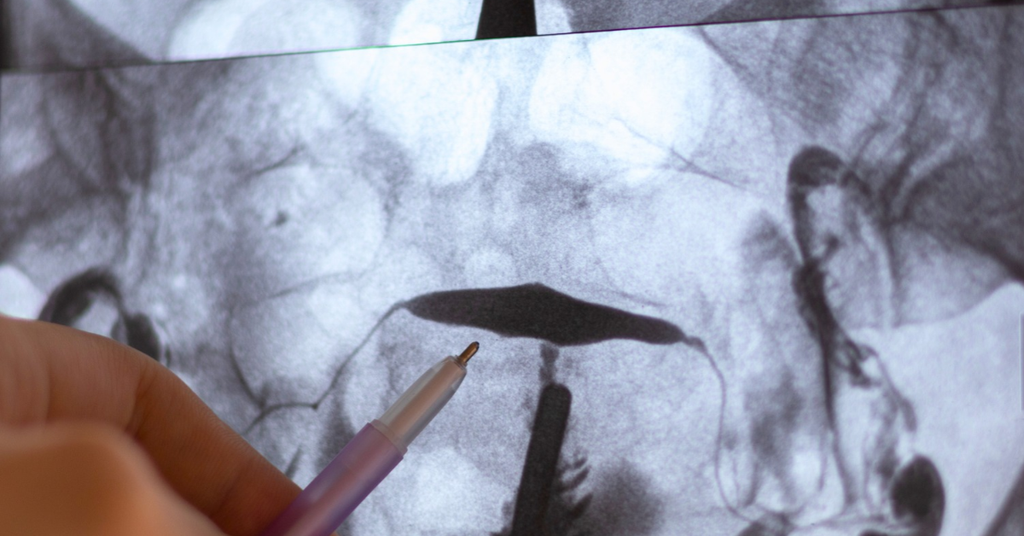
When getting pregnant is taking longer than expected, your doctor may recommend an HSG test as part of a fertility evaluation. This imaging procedure examines your uterus and checks whether your fallopian tubes are open. Your fallopian tubes are very delicate and tubes that are damaged or closed will prevent eggs and sperm from meeting. Knowing what to expect, including preparation, costs, and results, can help you feel more confident about fertility testing.
An HSG test uses X-rays and contrast dye to evaluate the uterus and check whether the fallopian tubes are open. An HSG is an important part of a fertility evaluation, as it can identify possible blockages in addition to uterine abnormalities. Temporary cramping and spotting may occur afterward, and your provider will explain the results. Some patients conceive in the months following an HSG test and so the test has both diagnostic and therapeutic benefit. Rejoice Fertility can help you explore testing and personalized fertility care.
What Is an HSG Test?
What is an HSG test? Short for hysterosalpingogram, it’s an X-ray procedure that uses contrast dye to examine the uterine cavity and fallopian tubes. Fertility doctors often include it in an evaluation of difficulty becoming pregnant.
The fallopian tubes are where egg and sperm meet and normal tubes are crucial for the fertilized egg/embryo to reach your uterus. Damaged fallopian tubes may be unable to capture eggs that are released from the ovary preventing sperm from finding an egg, making conception more difficult if not impossible.
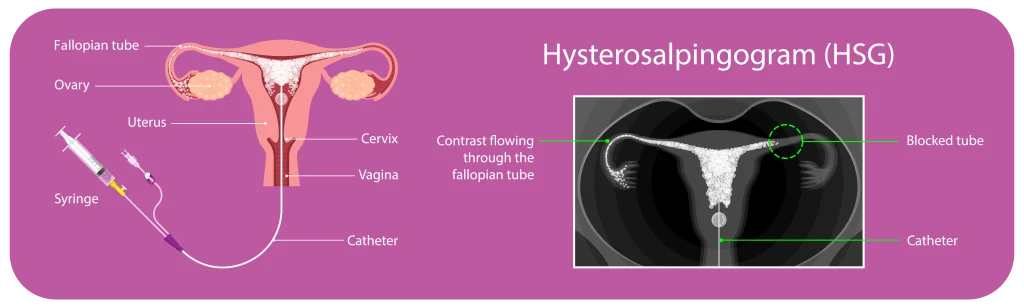
During the HSG test, a small amount of liquid x-ray dye is gently injected into the uterus and then the dye flows into the fallopian tubes and out into the abdominal cavity. In addition to checking if the fallopian tubes are open, an HSG can also detect an irregular uterine shape or identify abnormalities within the uterine cavity.
How Should You Prepare?
An HSG is typically scheduled 5 to 12 days after the first day of your menstrual period, which should be before ovulation in most women. This timing helps reduce the possibility of performing the procedure during pregnancy. Be sure to follow your clinic’s scheduling instructions, especially if your cycles are irregular.
Before your appointment, tell your provider about:
- Possible pregnancy
- Previous reactions to contrast dye
- Pelvic infections
- Symptoms of an STI
- Heavy vaginal bleeding
- Medications you currently take
To help you prepare, your fertility specialist may suggest an over-the-counter pain reliever or prescribe antibiotics if needed, so check with them before taking either. You may also want to bring a sanitary pad for any discharge afterward.
What Happens During an HSG Test?
You will be in a position similar to during a pelvic exam. Your doctor will then insert a speculum to see your cervix. After cleaning your cervix with betadine your doctor will insert a small catheter into the cervix. At this point the radiology tech will begin taking images to monitor the contrast dye as it flows through the catheter into your uterus.
X-ray images will reveal whether the dye travels through each fallopian tube and spills from the end of each tube. You may need to change positions to help the team obtain clear images.
The imaging procedure usually takes less than five minutes, although your full appointment includes preparation such as completing a pregnancy test if required, taking a pain reliever beforehand, and changing into a gown. You will be given the results of the test as it is being performed or just following its completion.
Does an HSG Hurt, and What Happens Afterward?
Cramping is common when the dye enters your uterus. Discomfort varies, but mild to moderate cramps may continue for several minutes or a few hours afterward. Talk to your doctor about pain management beforehand, but most patients do well with just taking ibuprofen 1 hour prior to the HSG. .
A sanitary pad can be used following your HSG in case some of the x-ray dye continues to leak out of your vagina. Most patients resume everyday activities shortly after the procedure.
Serious complications are rare (<0.5%) with infection and allergic reactions being the most common. If the HSG reveals that you have a blocked, fluid-filled fallopian tube (hydrosalpinx) then you will be prescribed antibiotics for 5-7 days to reduce the risk of an infection following the HSG.
How Much Does an HSG Test Cost?
At Rejoice Fertility, we charge a $500 flat fee for an HSG. The test typically costs anywhere between $500 and $3,000 without insurance or $0 to $1,500 with coverage in other markets.
These numbers aren’t set in stone since your actual expense depends on your:
- Location
- Facility
- Insurance
- Services
These factors, along with others, may be included in the price. For example, hospitals generally charge more than outpatient clinics or independent medical offices.
Before scheduling, ask what the quoted price includes and confirm your deductible and copay with your insurer. Ask about cash discounts if you’re paying out of pocket, but remember that payments made without using insurance generally do not count toward your annual deductible.
What Do HSG Results Mean?
The results suggest both tubes are open when dye passes through both tubes and spills from their ends. Alternatively, restricted dye movement may indicate a blockage. An unusual uterine outline can suggest structural differences that need further evaluation.
Your doctor interprets the images alongside your medical history and other fertility findings. An abnormal HSG may lead to additional
- Imaging
- Testing
- Treatment discussions
The result of your test helps guide the next steps. It doesn’t independently explain every possible cause of difficulty conceiving.
Choose Rejoice Fertility for HSG Testing in East Tennessee
Led by Dr. John D. Gordon and Dr. Susan Sarajari, Rejoice Fertility provides comprehensive fertility care. Our practice emphasizes expert care and genuine compassion throughout the journey toward parenthood with fertility diagnosis, IVF, and embryo adoption.
To discuss whether HSG testing belongs in your evaluation, contact Rejoice Fertility and ask about scheduling, preparation, and anticipated costs. We offer a free consultation to help you explore your options, so connect with the team and take your next step toward a personalized fertility care plan.
About Rejoice Fertility
With 2 locations in Knoxville and Nashville, Tennessee, Rejoice Fertility provides personalized fertility care designed around each patient’s unique needs and goals. Our experienced team offers comprehensive fertility services, including fertility evaluations, IVF and individualized treatment options, in a warm and supportive environment.
Learn more about your fertility options or schedule a free virtual-consultation with Rejoice Fertility today. Call (865) 777-0088 or go contact us online.